关于我们
电子级多晶硅
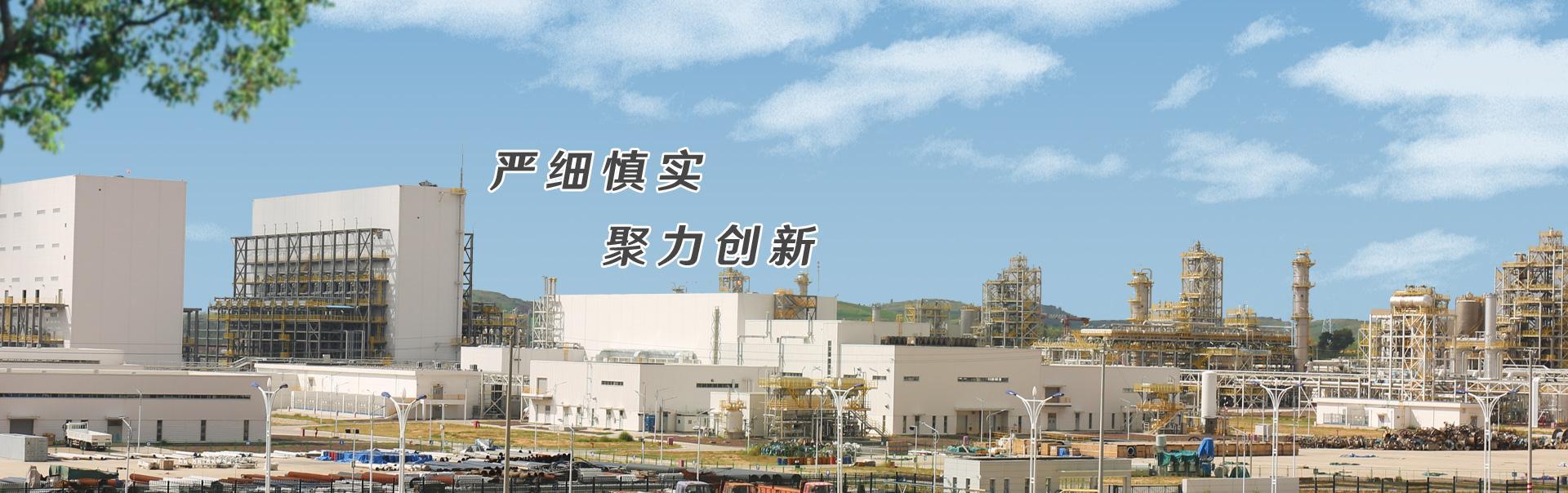
公司采用硅烷西门子法生产的电子级多晶硅料,是国内极少数有能力量产电子级超纯多晶硅的企业。电子级多晶硅块产品 CZ 与区熔级硅棒 FZ 代表公司最高技术水准。

粒状多晶硅
公司引进美国REC Silicon FBR-B(第二代流化床)技术生产的粒状多晶硅,是国内唯一具备大规模量产能力的粒状硅生产企业。产品经筛分及抛光,颗粒表面光洁度高,杂质含量低。
高纯硅烷气
电子级高纯硅烷气作为公司硅烷生产部主要产品,纯度高达99.9999%,在满足超纯硅生产部及FBR生产需要的同时,公司具备500MT/年硅烷气充装外售能力。
电子级多晶硅
粒状多晶硅
高纯硅烷气


-
28
2023-11
-
15
2023-08
-
22
2023-07
-
13
2023-05

-
26
2024-03
-
25
2024-03
-
25
2024-03
-
19
2024-03
-
18
2024-03
-
11
2024-03
-
08
2024-03
-
26
2024-02
- 通威电池片价格继续调降">
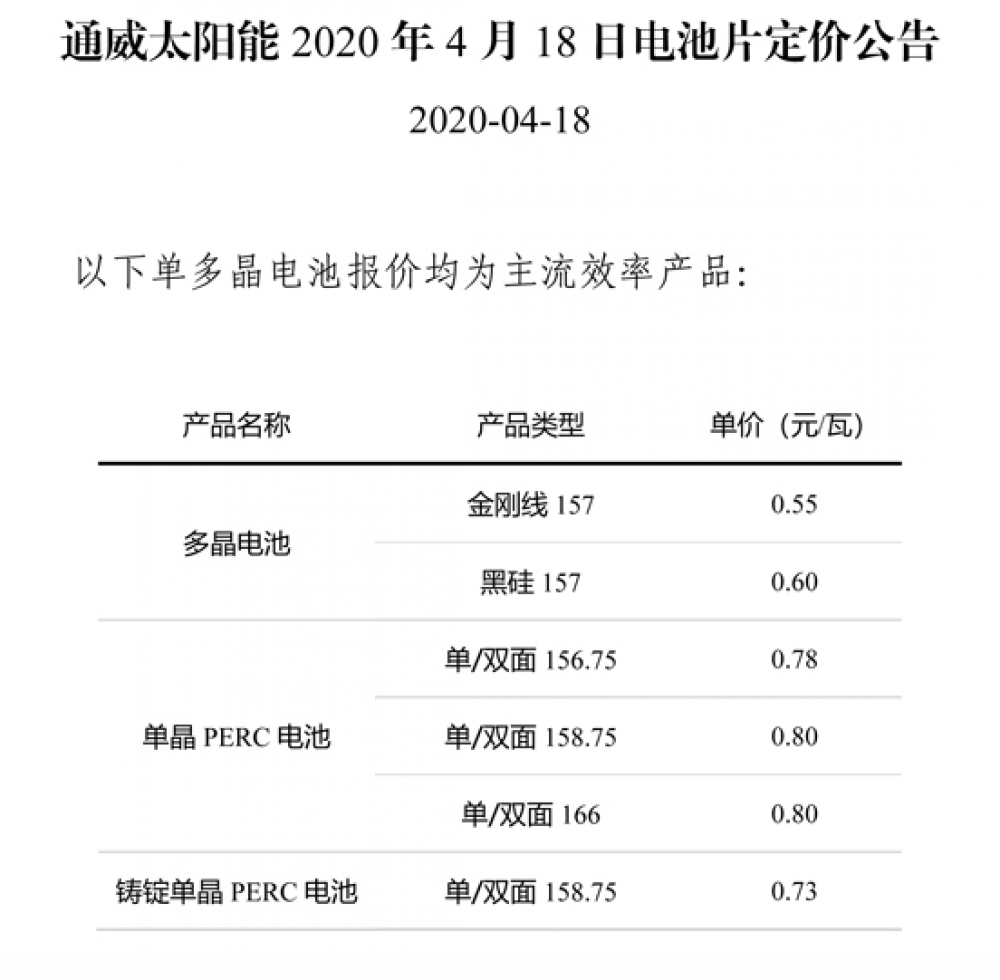
04-19通威电池片价格继续调降
4月18日,通威公告下调了单、多晶硅电池价格,与3月25日发布的通威电池价格相对比,多晶产品价格下浮10%-11%、单晶产品下浮14-15%。
- 隆基4月二度调降硅片价格">
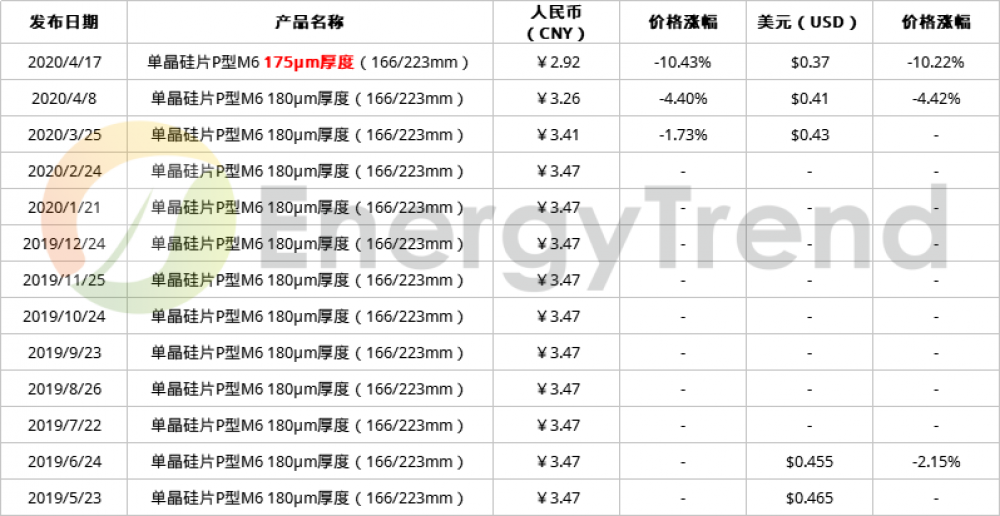
04-19隆基4月二度调降硅片价格
隆基G1、M6硅片再降价!
- 2020年光伏项目建设政策出炉 新建光伏发电项目补贴15亿元">
03-132020年光伏项目建设政策出炉 新建光伏发电项目补贴15亿元
国家能源局日前发布的《关于2020年风电、光伏发电项目建设有关事项的通知》总体延续了2019年相关政策思路,从推进平价上网项目、推进需国家财政补贴项目、落实电力送出消纳条件等方面,结合行业发展新情况进行了调整完善,2020年度新建光伏发电项目补贴预算总额度为15亿元。
- 韩国OCI、韩华决定停止韩国本土太阳能多晶硅生产">
02-29韩国OCI、韩华决定停止韩国本土太阳能多晶硅生产
OCI决定从2月20日起停止群山工厂(5.2万吨/年产能)的太阳能多晶硅生产,韩华已经决定退出多晶硅生产,将在2021年2月前完成多晶硅部门关闭。
-
19
2020-04
通威电池片价格继续调降
4月18日,通威公告下调了单、多晶硅电池价格,与3月25日发布的通威电池价格相对比,多晶产品价格下浮10%-11%、单晶产品下浮14-15%。
-
19
2020-04
隆基4月二度调降硅片价格
隆基G1、M6硅片再降价!
-
13
2020-03
2020年光伏项目建设政策出炉 新建光伏发电项目补贴15亿元
国家能源局日前发布的《关于2020年风电、光伏发电项目建设有关事项的通知》总体延续了2019年相关政策思路,从推进平价上网项目、推进需国家财政补贴项目、落实电力送出消纳条件等方面,结合行业发展新情况进行了调整完善,2020年度新建光伏发电项目补贴预算总额度为15亿元。
-
29
2020-02
韩国OCI、韩华决定停止韩国本土太阳能多晶硅生产
OCI决定从2月20日起停止群山工厂(5.2万吨/年产能)的太阳能多晶硅生产,韩华已经决定退出多晶硅生产,将在2021年2月前完成多晶硅部门关闭。